Can You Inflate a Car Tire With a Bike Pump?
A bike floor pump can top off a slightly low car tire. Learn which valve fitting works, how to check cold PSI, and when to call for help.

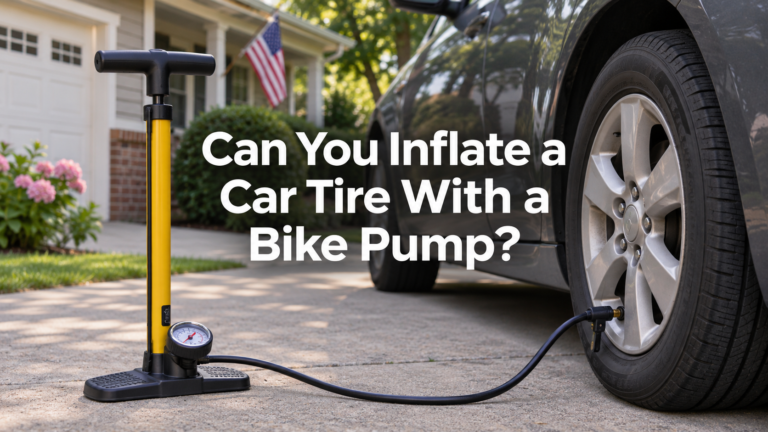
A bike floor pump can top off a slightly low car tire. Learn which valve fitting works, how to check cold PSI, and when to call for help.
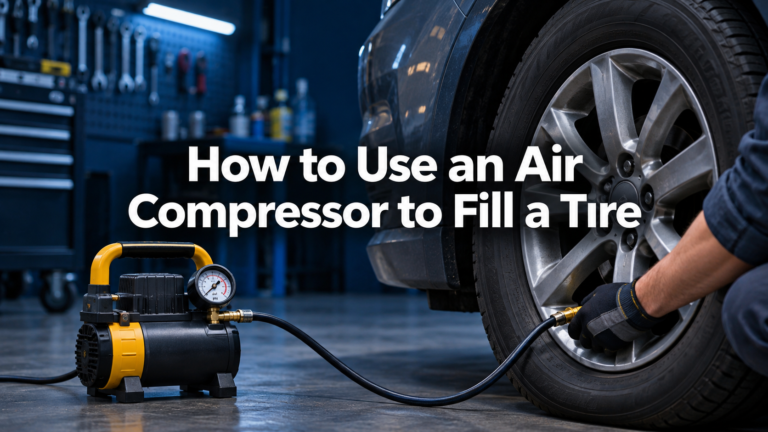
Learn how to use a portable inflator or shop compressor to top off a car tire, find the right cold PSI, and check whether the tire holds air.
How long does a tire balance take? Plan on about 30 to 60 minutes for a standard balance of all four wheels once the shop starts. Your full visit may take longer if you have to wait for a bay, the shop needs to trace a vibration, or a wheel or tire has damage. Quick…
What causes tire feathering? The most common cause is incorrect toe alignment. When the wheels point too far inward or outward, the tread scrubs sideways as you drive. Over time, each tread rib can wear smooth on one edge and feel raised or sharp on the other. Loose steering or suspension parts can also let…
How many times can you patch a tire? Some tires can be repaired twice, but there’s no universal limit. A second puncture may qualify if the tire maker allows it, the new hole is in the repairable tread area, and the new repair won’t overlap the old one. A technician needs to remove the tire…

How long does it take to patch a tire? A shop may need 30 to 60 minutes for a straightforward tire repair once work begins. Your total visit can take longer if you have to wait for a service bay, the leak is hard to find, or the tire needs to be replaced. Quick Answer…
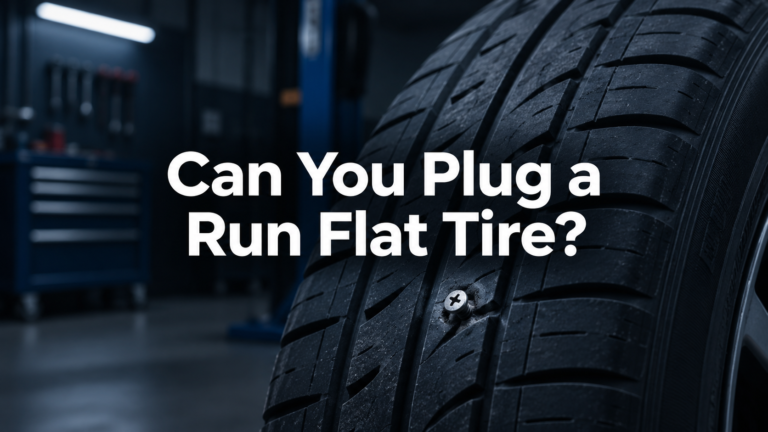
Can you plug a run flat tire? A plug alone is not a proper repair. A tire shop may be able to repair a small tread puncture if the tire maker allows it and an inside check shows no damage from driving low or flat. If the hole is in the sidewall or shoulder, plan…
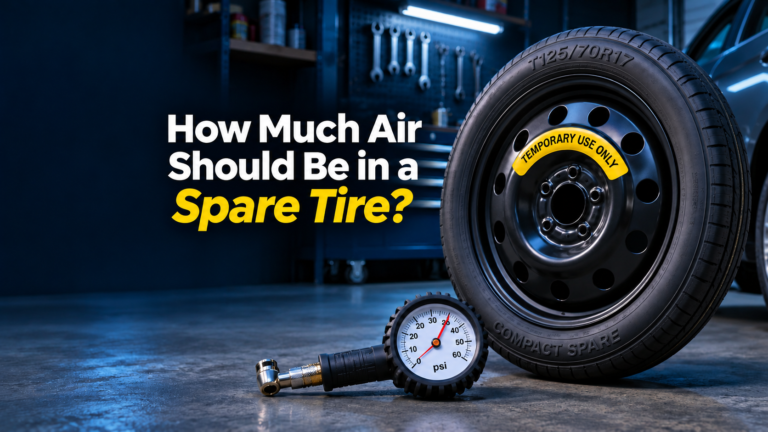
Many compact spare tires, also called donuts, need 60 PSI when cold. Use the pressure listed for your vehicle and spare. Full-size spares can have a different target, even when they look like the tires already on the car. Check the driver’s door tire label or owner’s manual before adding air. Quick Answer Look for…
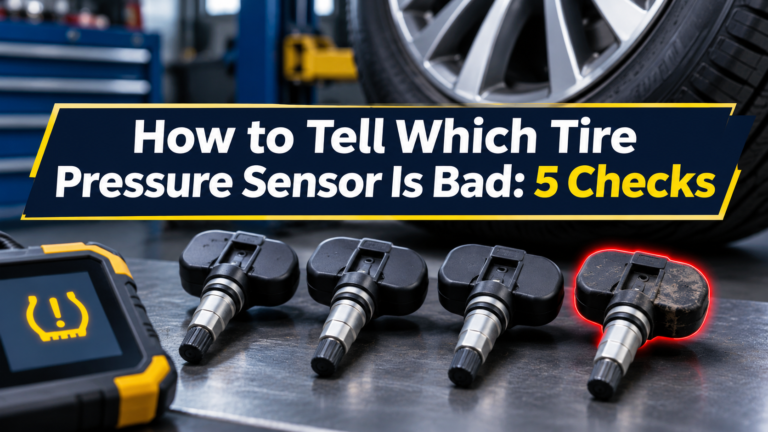
To tell which tire pressure sensor is bad, check all four tires with a handheld gauge, then have each wheel scanned with a compatible TPMS tool. If one sensor repeatedly fails to respond while the others work, that wheel is the place to investigate. A blank dashboard reading can narrow the search, especially if the…
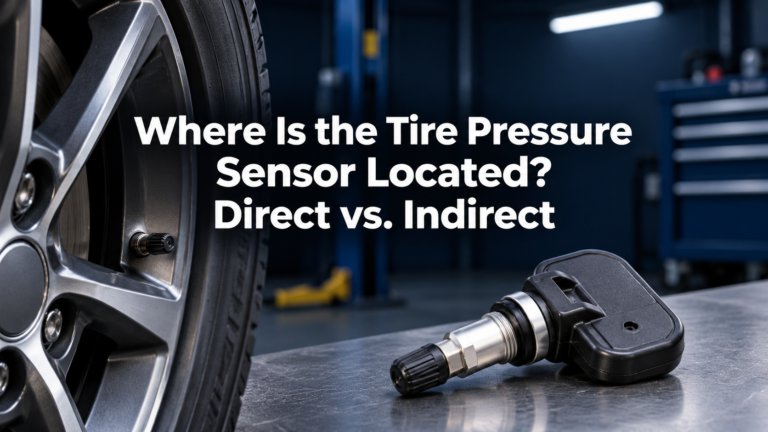
Where is the tire pressure sensor located? On most vehicles with direct TPMS, the sensor sits inside the wheel, attached to the inner end of the valve stem. Some direct sensors are held to the rim by a band. Vehicles with indirect TPMS use wheel-speed data and have no dedicated pressure sensor inside the tire….